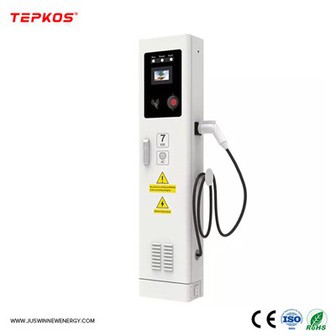
How to Choose a 3 Phase 11 kW Wallbox: A Practical Buying Guide for Communities, Hotels & Commercial Facilities
Investing in charging infrastructure is no longer optional for many organizations-it's becoming an essential service. But with dozens of models and technical specs to compare, selecting the right 3 phase 11 kW wallbox can feel overwhelming.
This guide breaks down everything procurement managers, community operators, hotel owners, and parking lot administrators should evaluate before making a purchase.

1. Understand Your Electrical Infrastructure
Before buying any wallbox, check your building's power system.
You need to confirm:
Do you have three-phase power (typically 380–400V)?
What is the maximum available current?
Can your panel handle multiple simultaneous chargers?
For large communities, CT-based load balancing is essential. For hotels or small parking areas, one or two standalone units may be enough.
2. Charging Speed vs. Real Usage Patterns
An 11 kW charger sounds like a simple upgrade from 7 kW, but the difference in real-world usage is dramatic:
| Charger Type | Typical Time to 80% (80 kWh EV) |
|---|---|
| 7 kW AC | 6–7+ hours |
| 11 kW AC | 4–5 hours |
For facilities where vehicles stay 4–12 hours, an 11 kW wallbox is the optimal balance of cost and speed.
3. Evaluate the Durability of Cables and Enclosure
High-traffic environments demand higher durability.
Look for:
TPU charging cable (much more durable than rubber)
Impact-resistant ABS enclosure
Weather resistance for outdoor mounting
Operation range of -30°C to +50°C
Hotels, public roads, and parking lots especially need anti-aging materials.
4. Smart Features Are Not Optional Anymore
Modern users expect a smart charging experience.
A quality 3 phase 11 kW wallbox should offer:
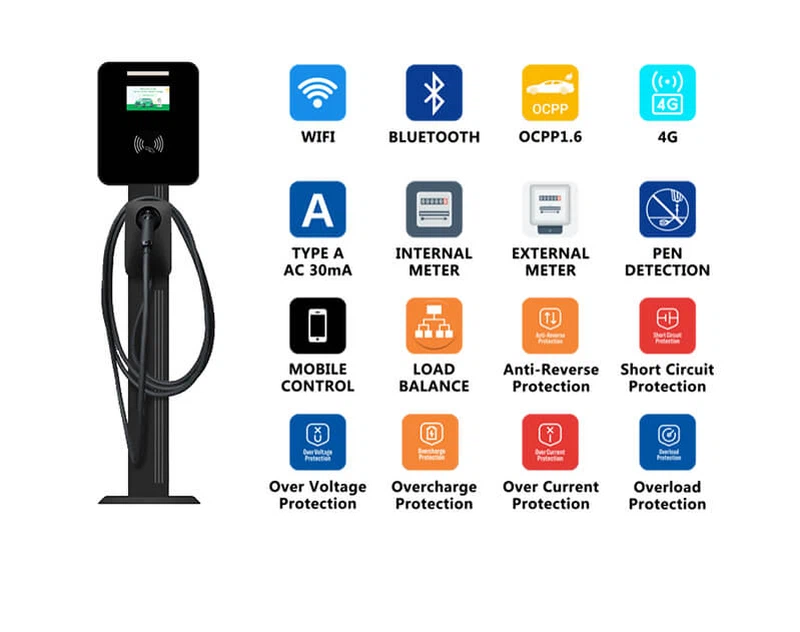
RFID card access
Bluetooth/WiFi connectivity
Mobile app charging control
Real-time data monitoring
OTA firmware updates
Communities and parking operators should insist on RFID to manage resident or customer access.

5. Safety Certifications Should Be a Dealbreaker
Commercial procurement teams must verify:
RCD (Type A + AC 30mA)
2000V insulation withstand test
1000 mΩ insulation resistance
Compliance with Type 2 / Type 1 / GBT standards
A charger installed in public spaces must exceed minimum safety requirements.
6. Consider Installation Space and Aesthetics
Hotels, malls, and property developers care about aesthetics.
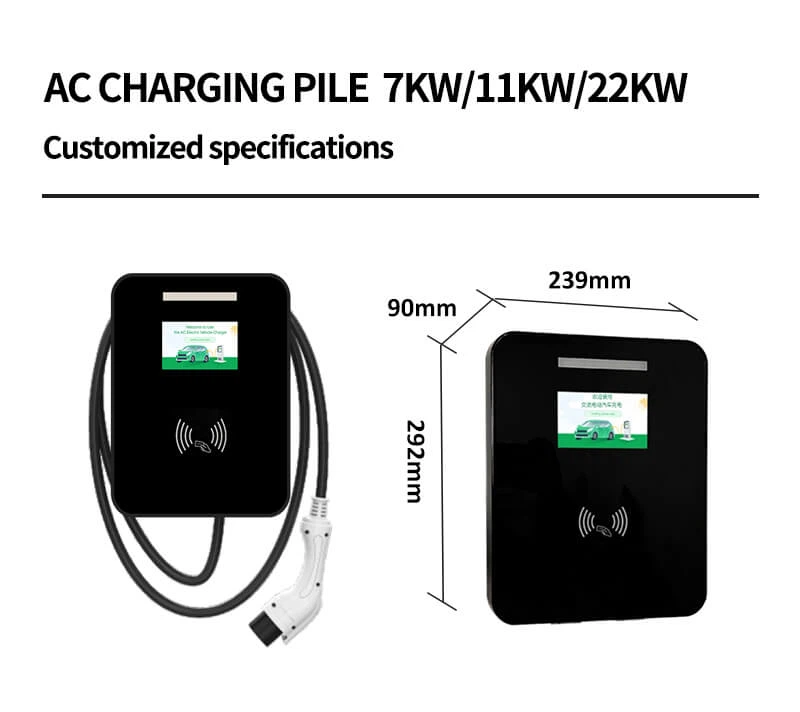
Wall-mounted 11 kW units require:
Minimal floor footprint (≈0.2 m²)
Easy eye-level screen viewing
Clean cable management
The 4.3-inch screen on many modern wallboxes makes it easier for guests and customers to operate without confusion.
7. After-Sales Support & Manufacturing Quality Matter
Many "cheap" chargers come from trading companies without engineering or factory support.
A real manufacturer offers:
Traceable serial numbers
24-hour technical support
Faster warranty handling
Replacement parts availability
Production consistency
Facilities planning to deploy dozens or hundreds of chargers should avoid reseller-only brands.
Conclusion
Choosing the right 3 phase 11 kW wallbox isn't about picking the cheapest model-it's about balancing electrical capacity, charging speed, durability, safety, compatibility, and long-term support. For communities, hotels, and parking operators building scalable EV infrastructure, these considerations are the foundation of a reliable charging network.