


Understanding 3-Phase EV Charging: Why the 11 kW Wallbox Is Becoming the New Standard
If you've owned an electric vehicle for a while, you've probably experienced the frustration of slow overnight charging or inconsistent power supply from older AC chargers. What many EV owners don't realize is that the difference between a sluggish charging experience and a smooth one often comes down to a single factor: single-phase vs. three-phase power.
This is where the 3 phase 11 kW wallbox has emerged as a practical, future-proof choice-not only for homeowners with the right infrastructure, but also for community managers, hotels, parking operators, and even roadside charging programs.

What Makes 3-Phase Charging Different?
Most traditional homes are wired with single-phase electrical systems, which limits how much power the charger can safely deliver. This is why many 7 kW wallboxes take 6–10 hours to fully charge a mid-size EV.
Three-phase power changes the equation entirely.
By distributing the electrical load across three active conductors instead of one, the grid becomes more stable and can safely deliver higher continuous power. The result is:
Up to 30–40% faster charging compared to common single-phase AC chargers
Better power efficiency
Lower thermal load, which improves charger lifespan
More predictable charging times, especially for commercial users
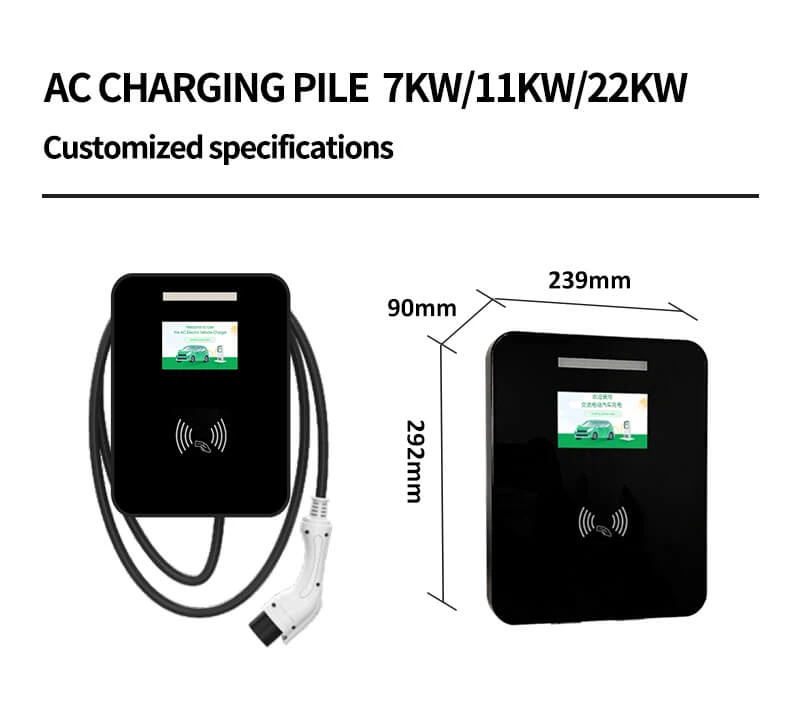
The 11 kW rating is the sweet spot for three-phase residential and commercial setups: fast enough for daily needs, but still grid-friendly.
Why 11 kW Is Ideal for Mixed Usage Scenarios
While DC fast chargers grab the headlines, AC wallboxes remain the backbone of most real-world charging-especially in community parking lots, hotels, campuses, and workplaces.
Here's why the 3 phase 11 kW wallbox works so well across different user groups:
1. EV Owners with Three-Phase Supply
A full overnight charge becomes perfectly reliable.
An 80 kWh EV can reach 80% in 4–6 hours, not 7–10.
2. Community Departments
Three-phase charging reduces congestion in shared parking lots.
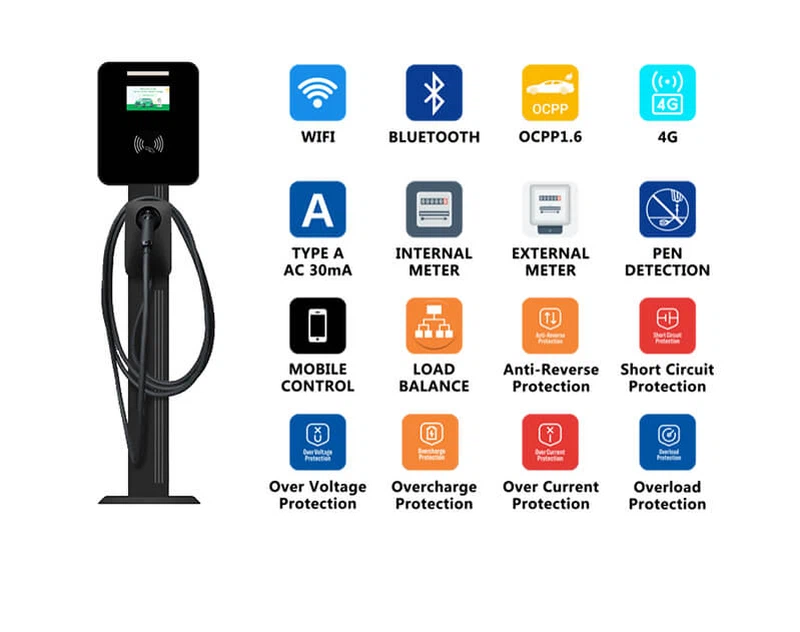
Load-balancing features prevent overload even when multiple chargers run simultaneously.
3. Hotels & Hospitality Venues
Most guests stay 6–12 hours-exactly the ideal charging window for 11 kW AC.
The fast turnover helps accommodate more EV-driving guests without DC-level investment.
4. Parking Lots & Commercial Properties
Operators can monetize charging without installing bulky floor-standing chargers.
App connectivity enables simple cost-per-use models.
5. Public Road Services
For curbside and urban charging, 11 kW is powerful enough to be useful but energy-efficient enough to operate all day.

Technical Features That Matter (But Are Often Overlooked)
The specs on paper may look similar across brands, but in real-world use, three features make a major difference:
1. RCD Protection (Type A + AC 30mA)
This protects users from leakage currents and electrical faults-critical in public and shared environments.
2. TPU Cable Instead of Rubber
In winter, rubber cables stiffen, crack, or become brittle.
TPU remains flexible at -30°C, making it ideal for parking lots, hotels, and roadside installations.
3. Multi-Connector Options (Type 2 / Type 1 / GBT)
This is essential for mixed EV fleets, especially in Europe and Asia-Pacific.
Final Thoughts
The shift toward 3 phase 11 kW wallboxes is not a trend-it's simply the next logical step as EV adoption climbs and charging scenarios diversify. Whether you're an EV owner upgrading your home setup or an organization planning long-term infrastructure, three-phase AC charging offers the most balanced combination of speed, safety, and affordability.


