


Why 3 Phase 11 kW Wallboxes Are Becoming Essential Infrastructure for Modern Cities
As electric vehicles move from niche adoption to mainstream transportation, cities around the world face a critical challenge: building charging infrastructure that is fast enough, affordable enough, and scalable enough to serve millions of drivers. Surprisingly, the solution isn't always ultra-fast DC charging. Instead, many governments, communities, and businesses are turning to 3 phase 11 kW wallboxes as the backbone of their urban charging strategy.
Here's why this type of AC charger is becoming one of the most important building blocks in modern EV infrastructure planning.

1. The Quiet Rise of Medium-Power AC Charging
DC fast charging is ideal for highways, logistics fleets, and emergency top-ups-but the cost of installation and grid upgrades makes it impractical for most neighborhoods.
For long-stay locations like:
residential parking
shopping malls
office buildings
hotels
campus parking lots
public roadside parking
…the charging needs are completely different. Vehicles stay there for hours, not minutes.
This is precisely where the 3 phase 11 kW wallbox fits.
It offers:
Sufficient power for 4–6 hour charging
Low installation cost
Minimal grid stress
Long-term scalability
Cities in Europe and Asia are already adopting this approach to fill "the missing middle" between slow home chargers and high-voltage fast chargers.
2. Why Communities Love 11 kW Wallboxes
Residential communities often face the problem of "queue buildup" at shared charging stations.
With single-phase 7kW chargers, turnover rates are too slow.
Switching to 11 kW three-phase charging has measurable benefits:
30–40% faster turnover
More residents charged per night
Lower frustration and complaints
Better grid balancing when paired with load management systems
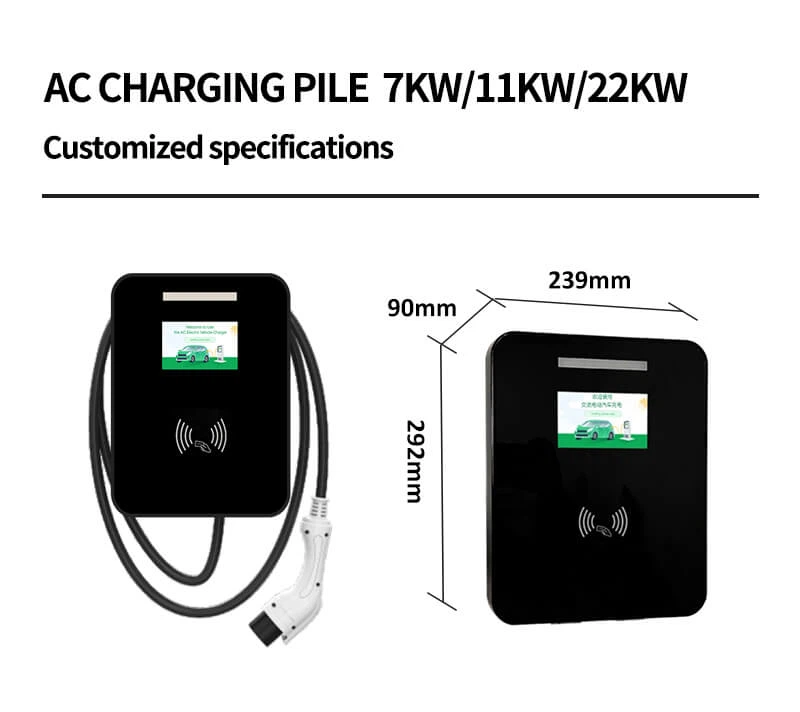
Community management teams increasingly prefer 11 kW wallboxes for multi-unit deployments.
3. Why Hotels and Hospitality Providers Are Adopting Them
Hotel guests typically park overnight or for several hours.
A DC charger is overkill.
The 11 kW AC wallbox solves this perfectly:
Fully charges most EVs overnight
Requires little installation space
Quiet, safe, and suitable for underground or outdoor use
Works with any visiting EV model
Enhances hotel competitiveness with EV-driving customers
Many global hotel brands now list EV charging availability as part of their booking criteria.

4. How Parking Operators Monetize 11 kW Charging
Commercial parking lots operate on tight margins.
Adding charging transforms a traditional parking space into a revenue-generating service.
11 kW AC is ideal because:
Users stay long enough for meaningful charging
The operator avoids high-demand charges from DC systems
App-based billing supports revenue tracking
Installation scales easily to dozens of stalls
This is why many malls, airports, and office towers now choose 11 kW wallboxes as their standard.
5. Public Road Services: Curbside Is the Next Frontier
Cities around the world are converting streetlight poles and roadside parking into "micro charging zones."
A compact 11 kW wallbox:
mounts cleanly onto poles
withstands outdoor temperatures
provides practical curbside charging
reduces the need for massive DC infrastructure
As dense urban areas struggle with limited space, 11 kW AC becomes the most realistic curbside solution.
Conclusion
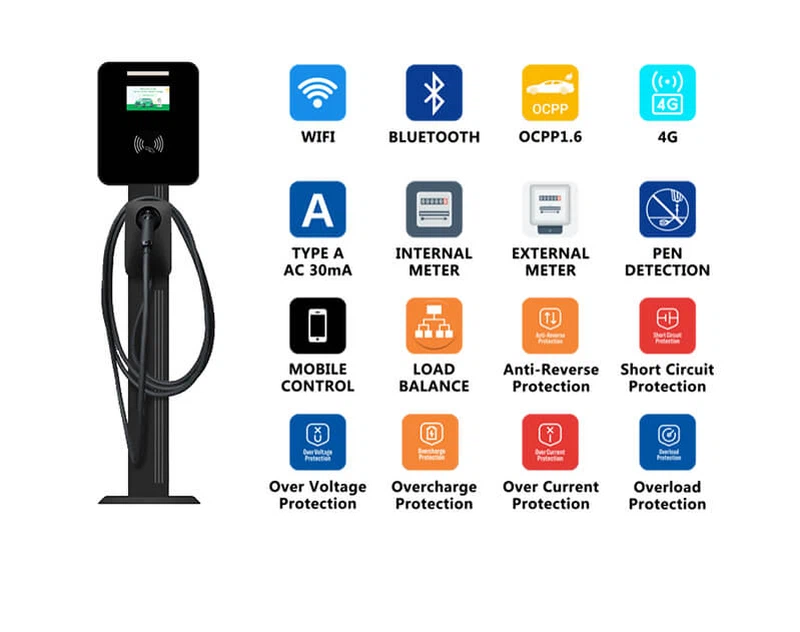
This 3 phase 11 kW wallbox is quietly becoming the cornerstone of citywide EV charging systems. Its balance of power, cost, ease of installation, and compatibility makes it indispensable for communities, hotels, parking operators, and public road departments. As EV adoption continues to accelerate, medium-power AC charging will define the next decade of urban mobility.


