


Portable 220V EV Chargers Gain Momentum as Cities Push for Flexible Charging Solutions
As EV adoption accelerates worldwide, cities and energy agencies are facing an increasingly urgent challenge: the gap between EV growth and charging infrastructure expansion.
Recent reports indicate that while EV ownership is rising by over 30% annually in many regions, public charging installation growth lags far behind.
To address this imbalance, fleet managers, communities, and hospitality providers are turning toward a practical alternative-portable 220V EV chargers.
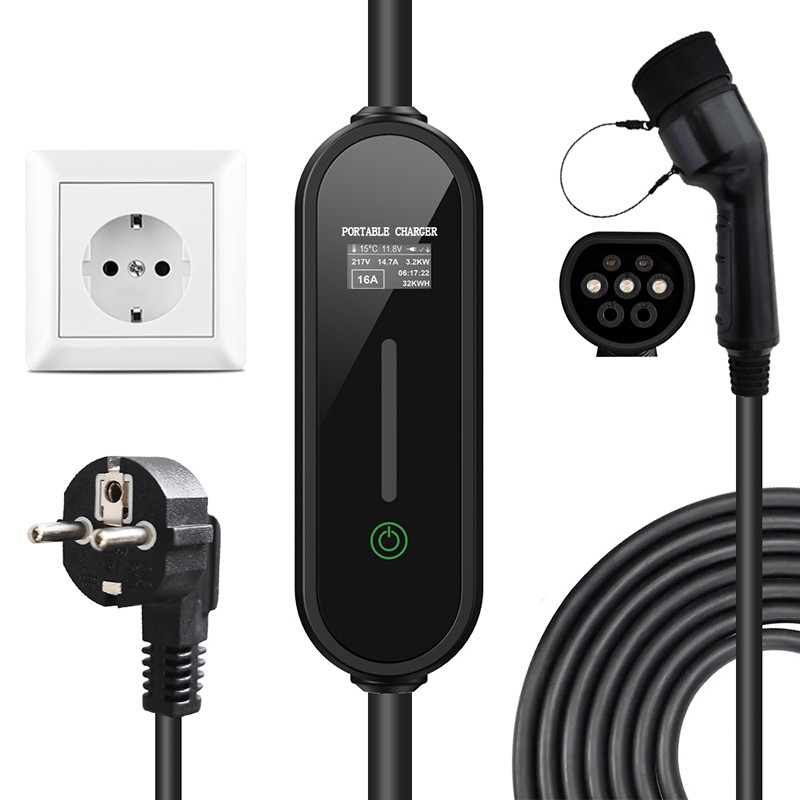
Municipal & Community Operators Lead the Shift
In several urban districts, community service departments have begun deploying portable chargers across residential parking lots.
According to property management teams, the portable 220V chargers offer three major benefits:
Zero infrastructure modifications
Low deployment cost
High adaptability to various EV connector types
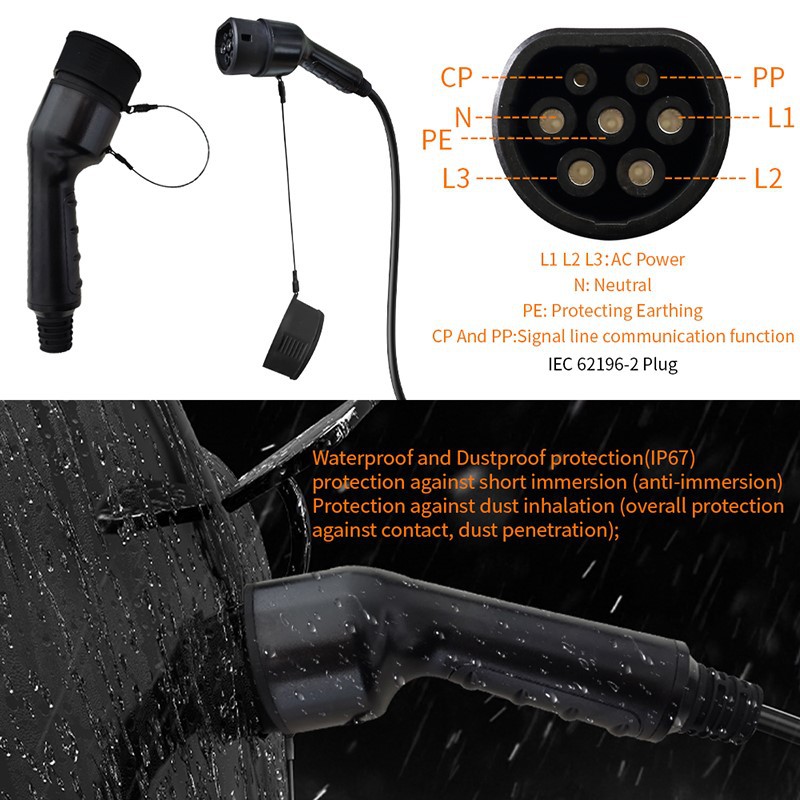
With compatible connector options for Type 1, Type 2, and GBT vehicles, the chargers are enabling communities to support diverse EV models without installing permanent charging stations.
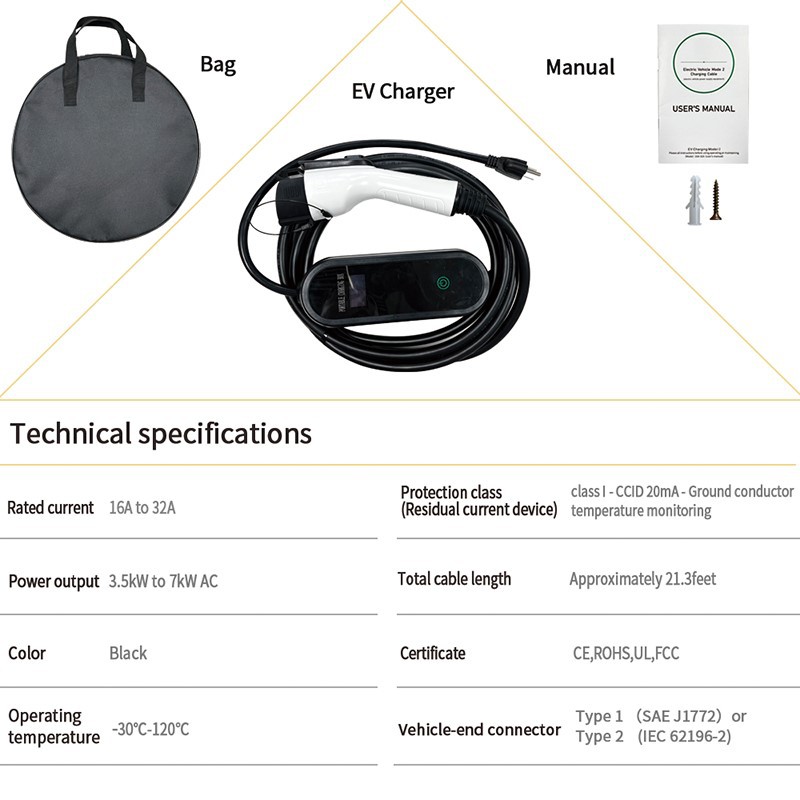
Hotels & Tourism Sites Tap into Portable Charging Demand
Hotels and homestays are increasingly adopting portable 220V EV chargers as a cost-effective amenity.
A coastal hotel chain reported that overnight EV guests increased by 18% after adding portable chargers, emphasizing:
simple plug-and-charge operation
no parking lot reconstruction
easy relocation of chargers during renovations or events
Tourism operators see the chargers as a flexible way to attract EV-driving travelers without the financial burden of installing fixed wallboxes or DC stations.
Parking Lots Boost Operational Flexibility
Commercial parking operators are deploying portable chargers as:
temporary charging points
emergency backup during outages
extra capacity during weekends and holidays
Operators state that portable 220V chargers are particularly valuable in older parking structures where electrical upgrades are either restricted or too expensive.

Technology Improvements Fuel Faster Adoption
Manufacturers continue to refine portable 220V EV chargers with advancements including:
safer TPU cables
higher-grade leakage protection
weather-resistant casings
real-time monitoring capabilities
Some models undergo 24-hour full-load testing and high-voltage insulation tests, bringing them closer in reliability to fixed charging stations.

Industry Outlook
Energy analysts predict portable 220V chargers will become a standard tool for:
EV owners without dedicated parking
community charging support
hospitality providers
rural and remote regions
dealerships offering test-drive charging solutions
With governments encouraging flexible EV infrastructure, portable charging is poised to play a much larger role in the global shift toward electrified mobility.


