


From Socket to Smart Charging: Why EV Charging Wall Box Is Replacing Traditional EV Outlets
Many EV owners begin charging with a standard household socket. It works at first, but over time, problems appear: overheating plugs, unstable current, slow charging, and unclear responsibility when faults occur. As EV adoption grows, relying on basic outlets is no longer a sustainable solution. This shift is exactly why ev charging wall box has become the preferred choice for both private users and shared facilities.

Unlike ordinary sockets, ev charging wall box is designed specifically for continuous, high-current operation. Internal components such as contactors, protection circuits, and control boards are built to handle hours of uninterrupted charging without degrading performance. This reduces long-term safety risks and extends equipment lifespan.

Another key difference lies in current control. Standard outlets were never meant to support precise current management. ev charging wall box regulates output current in real time, adjusting to grid conditions and vehicle demand. This prevents overheating and improves charging efficiency without stressing the electrical system.
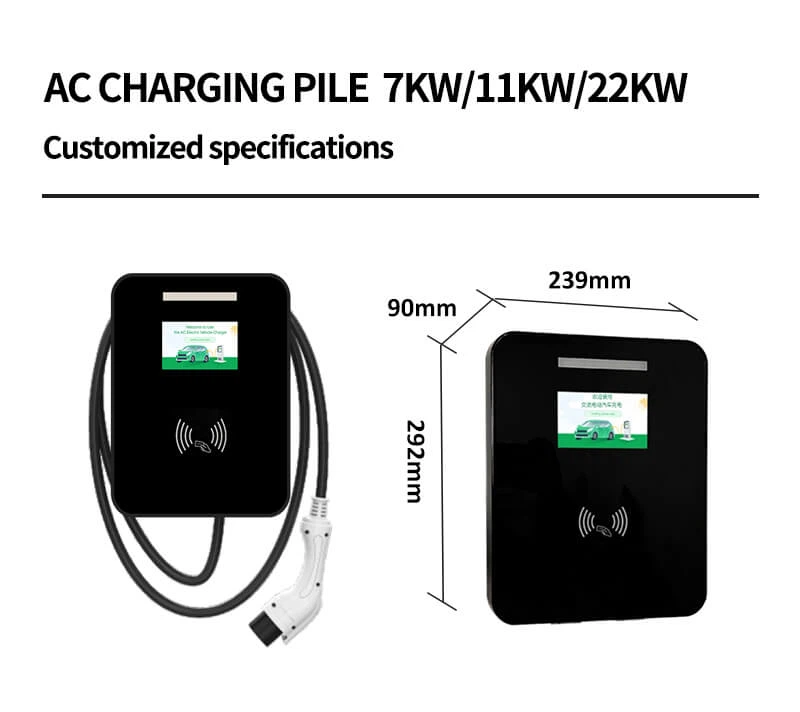
Smart functions also play an important role. With ev charging wall box, users can monitor charging status, schedule off-peak charging, and control access through RFID or apps. These features are not conveniences-they are safeguards that reduce misuse and unnecessary power consumption.

From a compliance perspective, many regions now recommend or require certified EV charging equipment in residential and commercial properties. ev charging wall box aligns with these expectations by integrating residual current protection, insulation monitoring, and standardized connectors.
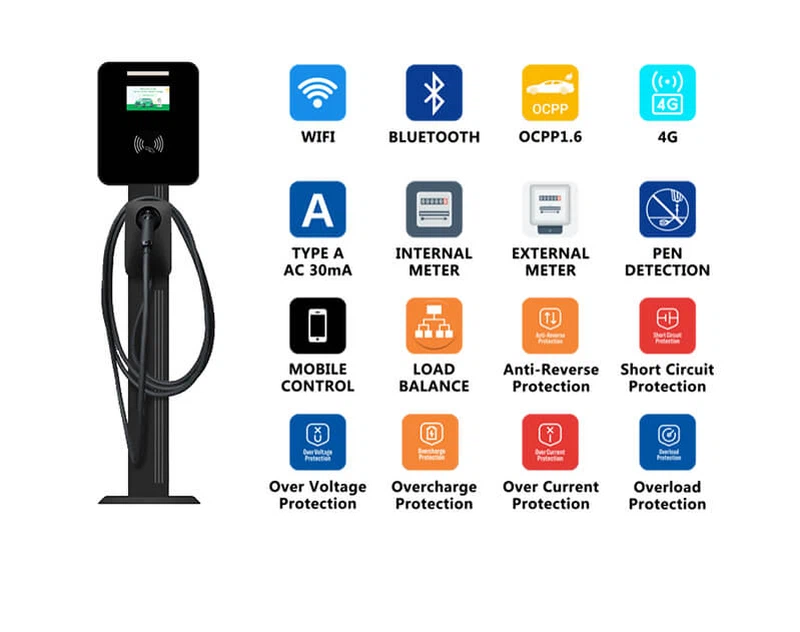
For property managers and operators, switching from simple outlets to ev charging wall box also clarifies responsibility. Clear usage logs, access control, and fault alerts help avoid disputes and simplify maintenance planning.

In short, ev charging wall box is not an upgrade for speed alone. It represents a move toward safer, more predictable, and more accountable EV charging.


