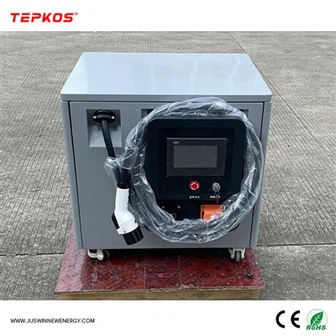
Choosing EV Charging Wall Box Power Levels: 7kW vs 11kW vs 22kW Explained
Selecting ev charging wall box power often confuses buyers. Many assume higher power always means better performance, but real-world charging needs are more nuanced. Choosing correctly depends on driving habits, electrical infrastructure, and installation environment.

A 7kW ev charging wall box is typically used in single-phase residential settings. It offers steady overnight charging without requiring electrical upgrades. For most daily commuters, this power level comfortably restores battery capacity during sleep hours.

An 11kW ev charging wall box sits in the middle ground. It balances faster charging with manageable grid demand and works well in residential communities, hotels, and workplace parking areas. This option often requires three-phase power but avoids the cost and complexity of high-power infrastructure.
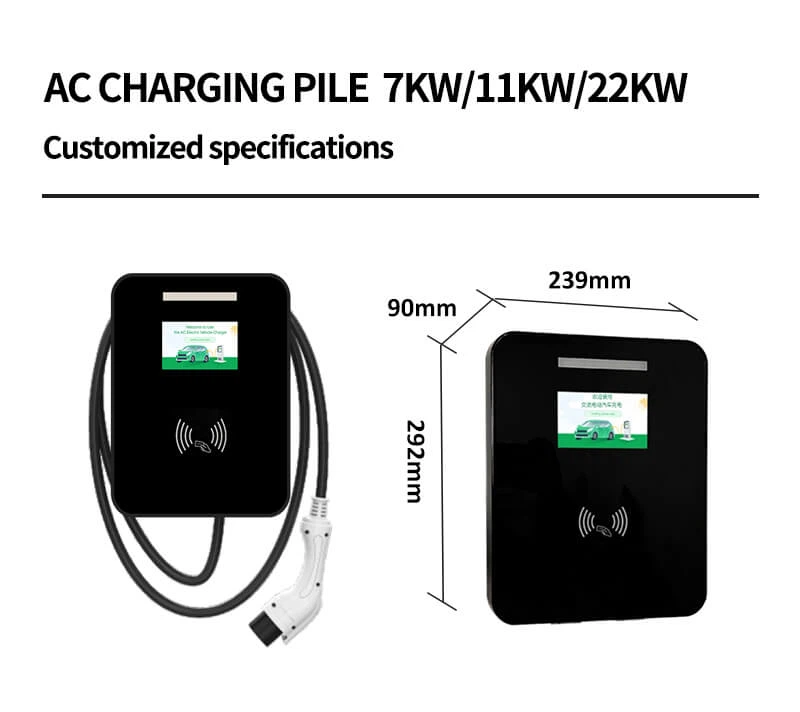
A 22kW ev charging wall box targets locations with frequent vehicle turnover. Parking operators and commercial sites benefit from shorter charging windows, allowing more vehicles to charge daily without installing DC fast chargers.

Beyond power, buyers should consider cable length, connector compatibility, access control, and load balancing. ev charging wall box selection is not only a technical decision-it is an operational one.
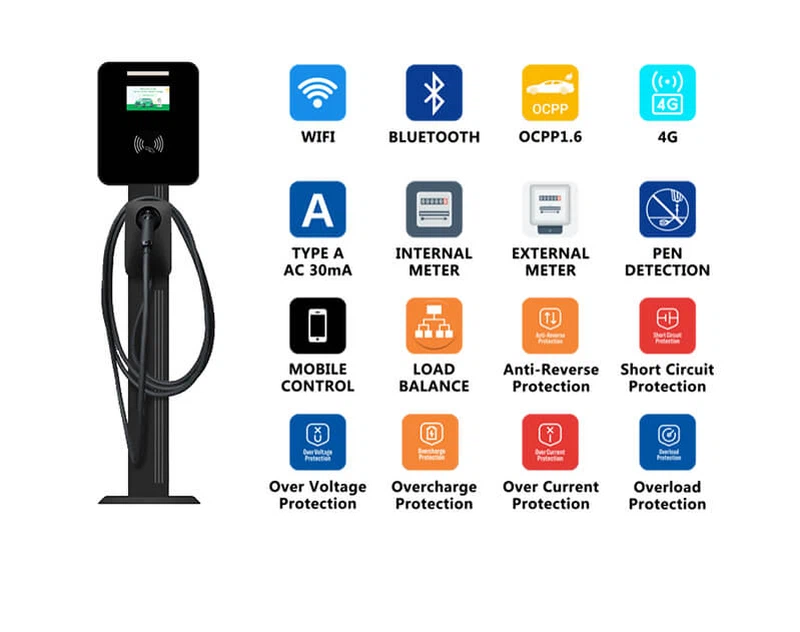
By matching power level to actual usage, ev charging wall box delivers efficiency without unnecessary cost.