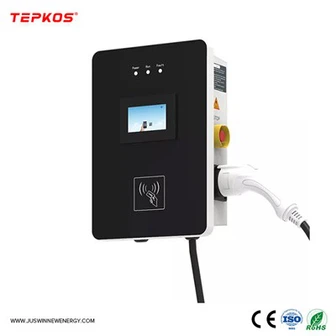
Why wallbox car charger Is Emerging as a Practical DC Charging Option?
As EV adoption continues to expand beyond early adopters, charging demand is shifting from private garages to shared and semi-public spaces. Hotels, community parking facilities, and commercial operators increasingly look for DC charging solutions that balance charging speed, installation complexity, and long-term operating cost. In this context, wallbox car charger is gaining attention as a practical alternative to traditional large DC stations.

Unlike high-power DC chargers designed mainly for highway corridors, wallbox car charger typically operates in the 20kW to 40kW range. This power level fits real-world parking scenarios where vehicles stay for one to three hours rather than just a few minutes. For operators, this means higher charging utilization without the need for heavy grid upgrades.

Another reason wallbox car charger stands out is installation flexibility. Wall-mounted DC chargers require less space and simpler civil work compared with floor-standing units. This makes them suitable for existing parking structures where space and layout restrictions often limit equipment choices.
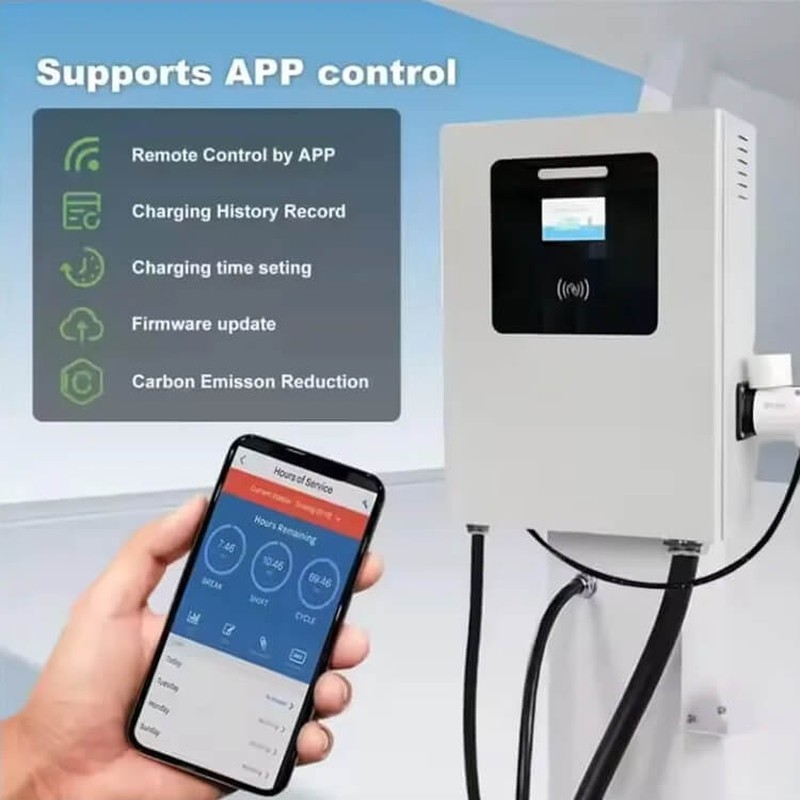
From an operational perspective, wallbox car charger also supports more predictable energy management. Mid-power DC charging reduces peak load pressure while still delivering a noticeable charging speed improvement over AC wall boxes. For many sites, this balance is exactly what makes DC charging financially viable.

As charging infrastructure continues to mature, practical solutions often outperform extreme ones. Our wallbox car charger reflects this shift toward right-sized DC charging built around daily use rather than peak performance alone.