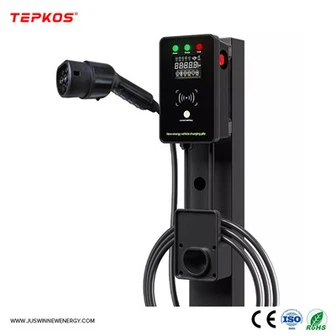
Can I Use AC Portable EV Charger with Standard Single-Phase Power at Home?
Home charging is one of the biggest reasons people choose electric vehicles. Nothing feels better than waking up to a full battery without waiting in line at a public station. For many new EV owners, the first question is whether single-phase household power can support a reliable charging setup. Fortunately, an ac portable ev charger makes this possible without complicated electrical work.
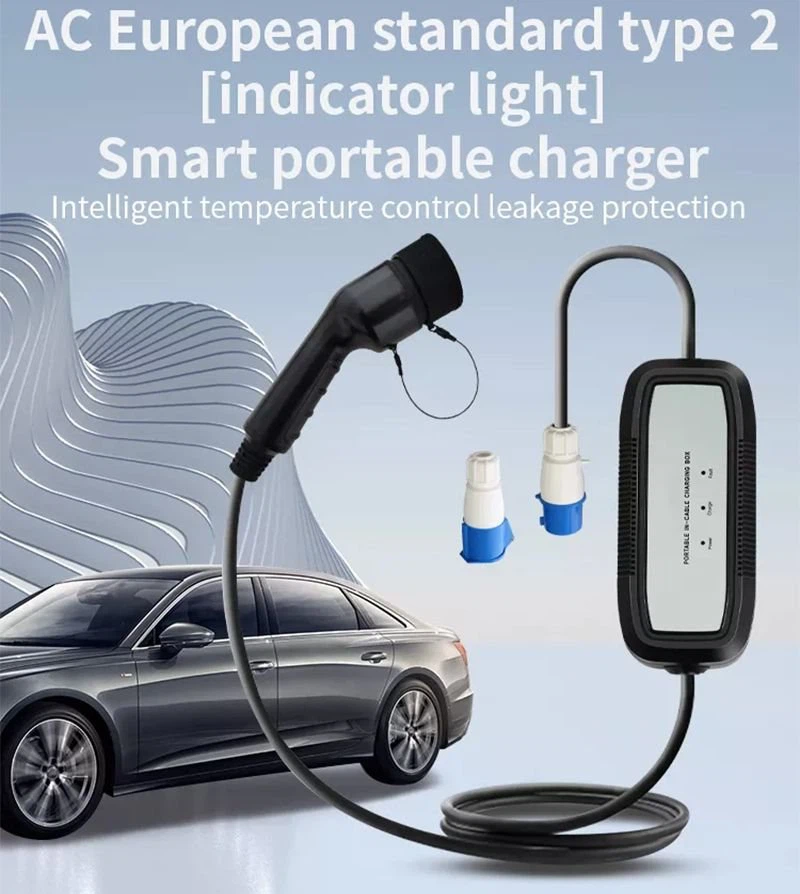
Most residential areas-especially older neighborhoods-are built around single-phase wiring. Upgrading to three-phase power is expensive and usually unnecessary for daily EV charging. This is where an ac portable ev charger fits perfectly. It is specifically designed to operate on standard AC 90V–265V household outlets. In regions using 220V power, drivers can enjoy stable 3.5kW or 7kW charging speeds without modifying their existing electrical system.
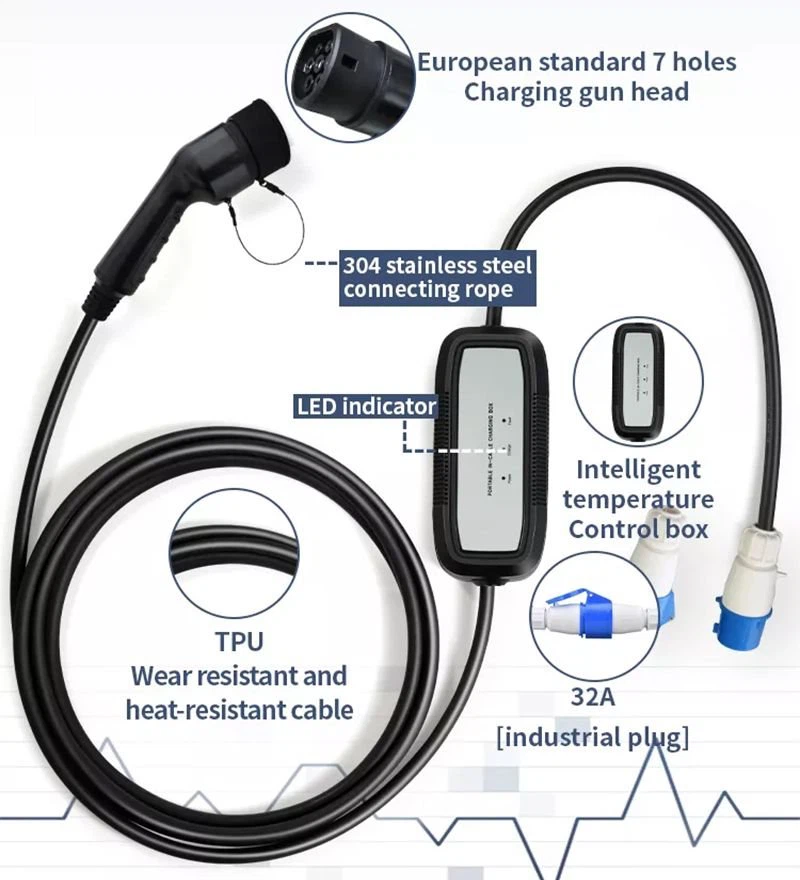
This practicality is especially beneficial for first-time EV owners who do not yet want to invest in a permanent charging station. Installation is simple: plug the charger into a compatible socket, connect it to the EV, and charging begins automatically. There is no need for circuit expansion, wall drilling, or additional switches. Even tenants in rental properties can use it without altering the building's electrical structure.
Families living in shared residential communities also appreciate that portable charging avoids disputes over fixed parking spots. Since the charger is movable, users can charge in multiple locations as long as a proper socket is available. Community service departments often recommend ac portable ev charger to residents because it solves charging access issues without requiring entire parking lots to be remodeled.

The ability to charge from home brings financial benefits too. Many regions offer off-peak electricity rates that significantly reduce charging costs. Plug in the EV at night, and the battery replenishes while the household sleeps. A 60kWh vehicle can typically charge from 20% to 80% in about five hours using a 7kW portable charger. For people with daily commutes, this is more than enough energy for the next day.
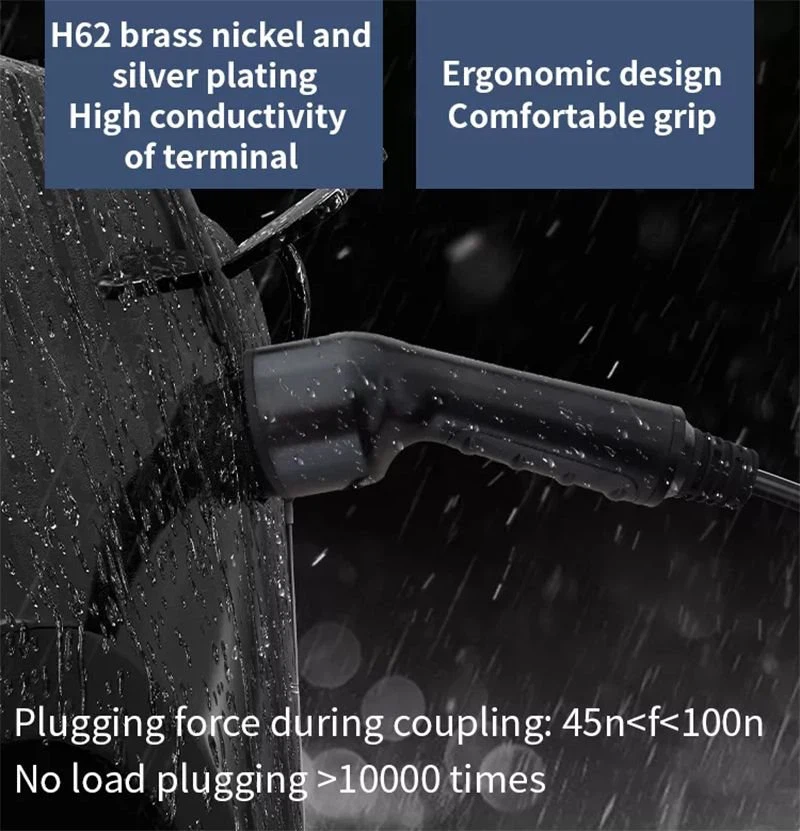
Hotels, small guesthouses, and office buildings also rely on single-phase power. Permanent charging infrastructure might not always be possible due to space limitations or budget concerns. In such cases, ac portable ev charger becomes a convenient mid-level charging option. It allows employees, customers, and guests to charge their cars comfortably while staying within existing electrical capacity.
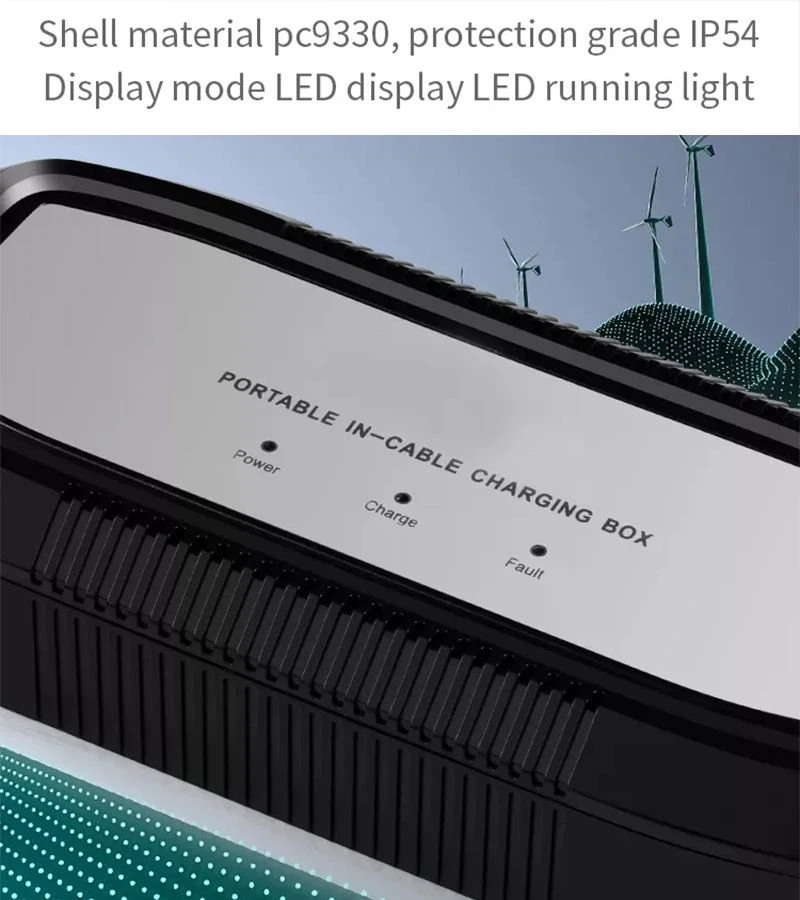
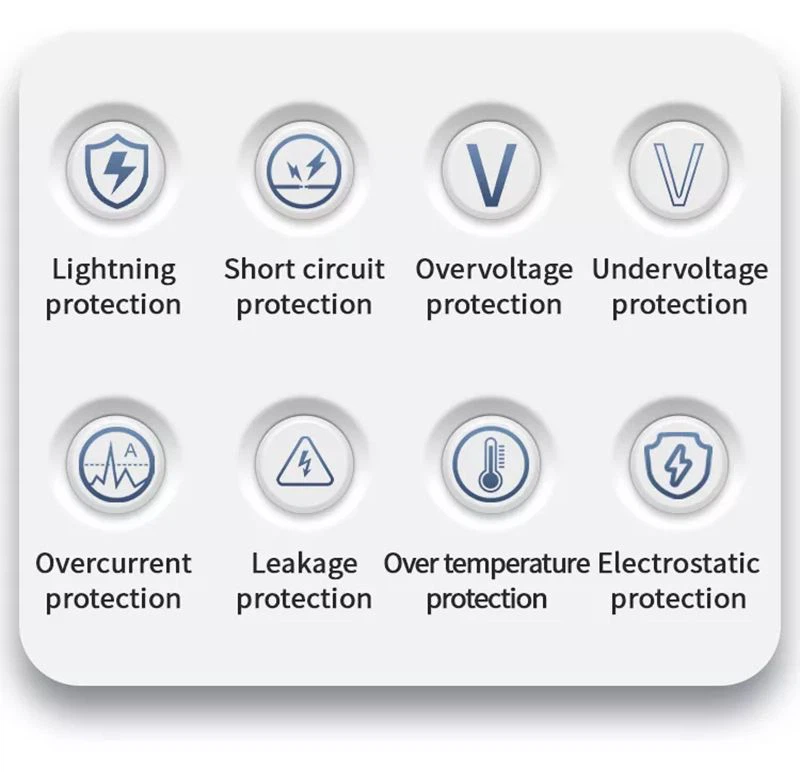
Safety is often a key concern for homeowners. Fortunately, portable chargers come equipped with essential protections such as overcurrent shutdown, leakage detection, overheating alerts, and ground fault protection. These features ensure that charging remains steady even if the power source fluctuates. Property managers appreciate this reliability, especially when chargers operate outdoors in varied weather.
For users who worry about compatibility, the charger can be configured with a matching connector type-Type 1, Type 2, or GB/T. Once paired correctly, drivers can enjoy the same confidence as using a fixed wallbox, but with far more flexibility and portability.
In summary, single-phase power is not a limitation. With an ac portable ev charger, home charging becomes simple, cost-effective, and practical for everyday EV use. It's a solution that fits modern lifestyles without requiring changes to the infrastructure already in place.