

Why is my Type 2 Wallbox not charging?
If you're the owner or operator of a Type 2 wallbox (and especially if you've invested in home or public EV charging infrastructure), there's nothing more frustrating than heading out to charge and finding your unit isn't working. As a Type 2 wallbox supplier with years of field experience, I've seen every common issue firsthand-from minor user oversights to technical glitches that are easy to fix once you know what to look for. Whether you use an Electric Car Wallbox Charging For Home for overnight top-ups or manage a Public Wallbox Level 2 Charger for customers, most charging failures boil down to a handful of avoidable causes. Let's break them down step by step, so you can troubleshoot quickly and get back to powering your EV.
First, let's start with the simplest, most overlooked checks-because 30% of the non-charging calls I get are from users who skip these. Type 2 wallboxes rely on a tight, secure connection between the wallbox plug and your EV's inlet, and even a small interruption here can halt charging. If you're at home, first confirm your EV is parked correctly: the inlet isn't blocked by debris, or a trunk door, and you've fully inserted the Type 2 plug until you hear the click that locks it in. For public units, it's even more common to have loose plugs or dirt in the inlet-passersby or weather can leave grime that prevents proper electrical contact. I always tell customers to wiggle the plug gently after insertion; if it moves, pull it out, clean the inlet with a dry cloth, and reinsert firmly. Another basic check: is the wallbox powered on? Some home units have a physical switch near the main panel, and public wallboxes sometimes have a "power reserve" mode that kicks in during off-peak hours. If you're using a Mini Wallbox Charger for a compact EV, it's extra easy to mix up the plug orientation-Type 2 plugs have a specific notch that lines up with the EV inlet, so double-check that you're not forcing it in backward.
Next, let's move to power supply issues, which are the second most frequent cause of charging failures. Type 2 wallboxes run on either single-phase (for home models like our 7kw Wallbox) or three-phase power, so problems with your home's electrical panel or the public grid can stop charging entirely. For home users, start with your main circuit breaker: if the wallbox is connected to a dedicated breaker, make sure it hasn't tripped from a power surge or high demand (like running an oven and AC at the same time). If the breaker is on, check for any fault codes on the wallbox display-most units use LED lights to signal issues, like a red light meaning a ground fault or an amber light indicating a phase imbalance. For public wallbox operators, grid outages are less common but still happen, especially during severe weather; always check local power company alerts if your Wallbox Public Ev Charger has gone offline. Another power-related check: if you're a home user with a smart wallbox that ties into your home's energy management system, make sure your solar panel or battery storage isn't prioritizing other loads over charging. I've had customers accidentally set their wallbox to "grid-only" mode during low sun, which seems like a fault at first glance.
Once you've ruled out connections and power, turn your attention to EV-specific compatibility and settings. Type 2 is a standard connector in Europe, the UK, and many other regions, but there are edge cases where mismatches cause charging to fail. Some older EV models have a maximum charging power limit that doesn't match your wallbox's output-for example, a 2015 compact EV might only support 3.7kW charging, while you have a 7kw wallbox, and if the unit is set to default to the higher power, it might not initiate a charge. To fix this, check your wallbox's app (for smart models) or physical menu to lower the charging power to match your EV's rated capacity. Another common EV-side issue: a dead 12V battery. EVs have two batteries: the high-voltage traction battery, and a small 12V battery that powers accessories like the infotainment and charging port lock. If the 12V battery dies, the charging port won't unlock, and the wallbox won't detect the EV to start charging. If your EV's dash shows a warning for the 12V battery, jump it (or have a mechanic do it) before trying to charge again. For users with multiple EVs, it's also worth confirming that the Type 2 port on your specific vehicle is functional-rarely, a faulty port pin can prevent electrical flow between the wallbox and EV.
Software and firmware glitches are another culprit, especially with smart wallboxes that connect to Wi-Fi for remote control. Over time, outdated firmware can cause communication errors between the wallbox and your EV, or between the wallbox and the network that manages public charging stations. If you have a home wallbox, check the manufacturer's website (or your user manual) for the latest firmware updates-most units let you update via the mobile app or a USB drive plugged into the wallbox. For public wallbox operators, firmware issues are more common if the unit has been left idle for a long period; a quick reset (unplugging the unit's power supply for 30 seconds, then plugging it back in) often clears temporary software bugs. It's important to note that not all wallbox resets are equal: some models require holding the physical "reset" button for 10 seconds, while others only work through the app-always confirm the right process for your unit to avoid making the problem worse.
Environmental factors, too, can interfere with Type 2 wallbox performance, especially for outdoor public units. Extreme temperatures, heavy rain, or snow can damage internal components or disrupt the electrical connection. For cold climates, ice buildup on the Type 2 plug or EV inlet can prevent the plug from locking in place, or cause the charging pins to corrode. If you're using a public wallbox in winter, wait a minute after clearing ice from the port before inserting the plug, and make sure the plug is dry to avoid condensation. For hot climates, excessive heat can trigger overheating protection in the wallbox-many units will automatically shut off if internal temperatures exceed a safe threshold to prevent fire risks. If your wallbox has been running nonstop on a hot day, give it 15 to 20 minutes to cool down before attempting to charge again. Another environmental issue: corrosion. Salt air in coastal areas can corrode the metal pins inside the Type 2 plug, reducing conductivity over time. If you live near the coast, regularly clean the plug's pins with a small brush and electrical contact cleaner to keep them working properly.
Now, if you've gone through all these checks and your Type 2 wallbox still isn't charging, it's time to look at hardware faults. While less common, internal component failures are a possibility-things like a faulty circuit board, damaged charging cable, or broken lock mechanism. For home users, if your wallbox is under warranty, contact your supplier or a certified electrician to inspect it; attempting to open the unit yourself will void most warranties. For public wallbox operators, routine maintenance (like annual inspections of cables and internal wiring) can catch hardware issues before they cause charging failures. As a supplier, we recommend that public unit owners schedule quarterly checks for pins, cables, and connections, since these units see heavy use and are more prone to wear.
If you're a new EV owner or a business looking to install Type 2 wallboxes, understanding these common issues helps you avoid downtime and make the most of your charging investment. Whether you're browsing for a home unit to replace your old charger, or expanding your public charging network, choosing a reliable Type 2 wallbox from a reputable supplier makes a huge difference in reducing technical problems.
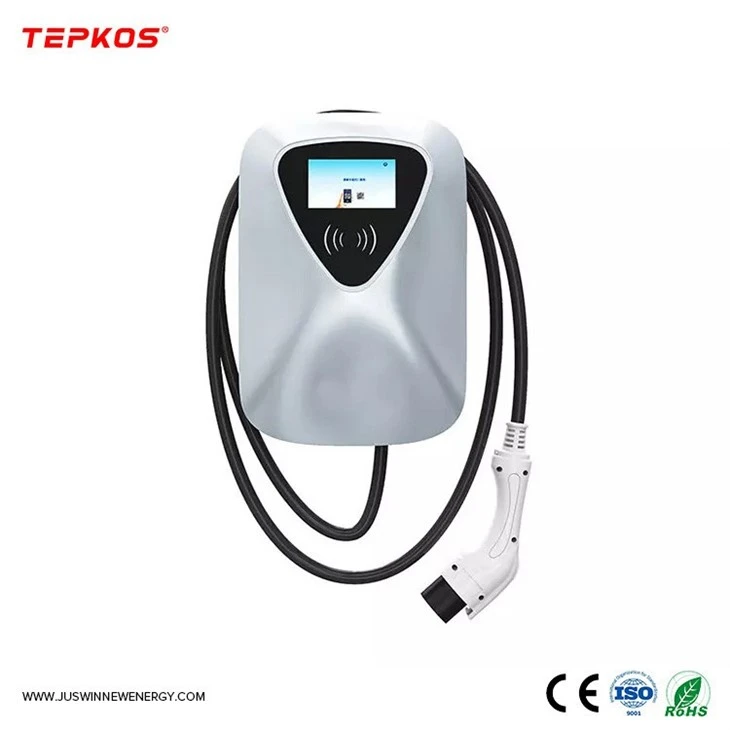

If you've encountered a non-charging issue that didn't fit these categories, or you're ready to source a Type 2 wallbox for your home or business, don't hesitate to reach out for a consultation. We work with homeowners, fleet operators, and public charging providers to provide tailored solutions that meet your specific needs, from compact home units to high-capacity public chargers.
References:
- International Electrotechnical Commission (IEC). (2022). Standard for Electric Vehicle Conductive Charging System Part 1: General Definition. IEC 61851-1.
- U.S. Department of Energy. (2023). EV Charging Infrastructure: Troubleshooting Common Issues for Residential and Public Units. DOE Office of Energy Efficiency and Renewable Energy.
- Electric Power Research Institute (EPRI). (2022). Grid Compatibility for Level 2 EV Charging Systems. EPRI Technical Report 3002008567.
- Society of Automotive Engineers (SAE International). (2021). Surface Vehicle Recommended Practice: Electric Vehicle Charging Couplers and Inlets. SAE J1772.