

What is a Type 2 Wallbox tethered vs untethered?
If you’ve ever shopped around for an electric vehicle (EV) charger for home or business, you’ve probably come across two terms tied to Type 2 wallboxes: tethered and untethered. As someone who’s been working as a Type 2 wallbox supplier for years, I hear tons of questions about which one is better, and honestly? It depends on your setup, how often you charge, and what’s most convenient for you. Let’s break this down in plain terms so you don’t get stuck overcomplicating it.
First, let’s recap what a Type 2 wallbox even is, just to make sure we’re all on the same page. Type 2 is the standard charging connector in most of Europe and many other parts of the world— it’s that nice, sturdy, five-pin plug that fits most EVs, gives you a stable connection, and supports both single-phase and three-phase charging. If you need one, you can check out our full line at the Type 2 Wallbox Electric Car Charger page, where we cover everything from home use to small business installs. The big split when it comes to these chargers is whether the charging cable is fixed to the wallbox (tethered) or you plug your own cable into the charger (untethered). Let’s dive into both.

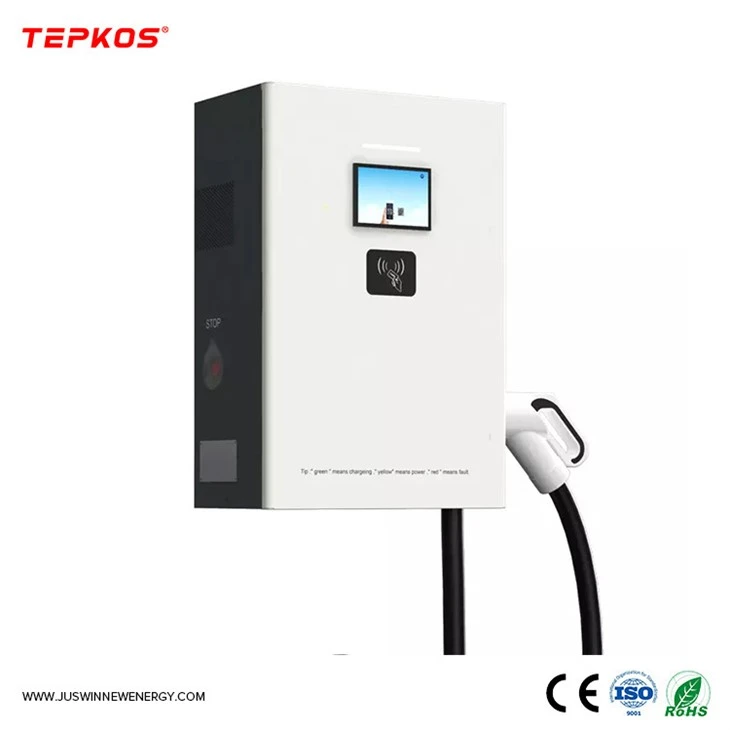
Starting with tethered Type 2 wallboxes— these have the charging cable built right in, so you don’t have to haul a separate cable around with you every time you charge. At first glance, this seems like a no-brainer, right? No fumbling around for a cable, no leaving your own cord at a charging station, just grab the plug from the wallbox, connect it to your car, and go. But there are pros and cons here, and it’s not one-size-fits-all.
The main benefit of a tethered unit is convenience, especially if you’re charging at home. Most people park in the same spot every day, so having the cable right there means you don’t have to keep an extra cable in your trunk (though some of us have that anyway for road trips). Tethered chargers also eliminate the risk of losing or damaging a separate charging cable— if the cable is part of the wallbox, you only have to maintain one set of equipment, which is easier for people who don’t want to deal with extra gear. For some, it’s also simpler if you’re not super tech-savvy; there’s no decision to make about which cable to use, you just plug in and charge. We’ve found that tethered models are also popular for smaller public spots, like apartment building designated charging bays, because you don’t have to worry about someone leaving their cable hanging around and blocking others.
But wait, tethered chargers have downsides too. The biggest one is the fixed cable length. Most tethered units come with a 5-meter (about 16-foot) cable, which is enough for most home garages or standard parking spots, but if you have a larger vehicle, or you park a bit farther from the wallbox, that might not be enough. Some newer models offer longer cables, but it’s not universal. Another issue is if the cable gets damaged. If the tethered cable frays or stops working, you can’t just replace the cable on its own— you have to replace the whole wallbox, which is more expensive than swapping out a separate cable. That’s a bummer if the rest of your charger is in perfect shape. Also, if you own multiple EVs (like me, I have a Renault Zoe and a VW ID.3), a single tethered cable means you can’t use the same wallbox for both, since each car might have a slightly different cable preference or length. Unless you’re only ever driving one EV, that’s a limit worth considering.
Now, untethered Type 2 wallboxes— these are the ones without a built-in cable, so you use your own charging cable to connect the wallbox to your car. This is the style I actually recommend for a lot of people, especially if you have multiple EVs or charge in different places. Let’s go over why.
The biggest plus here is flexibility. Since you bring your own cable, you can use the same wallbox for any EV that has a Type 2 port— even if you switch cars later, you don’t have to buy a new wallbox. I’ve had customers who upgrade from a smaller EV to a larger one, or rent out their driveway to someone else with a different EV, and untethered wallboxes make that seamless. You can also choose the length of cable you need— if you have a big truck or park far from the wall, grab a longer cable; if it’s just for home use, a shorter one works fine. No more being stuck with a cable that’s too short or too long.
Untethered wallboxes are also more cost-effective if you ever need to repair or replace a cable. If your cable gets damaged (say, you trip over it in the garage and fray the end), you can just swap out the cable for a new one instead of replacing the whole wallbox. That’s a big money saver over time, especially if you’re using the charger a lot. They’re also better for public charging stations, which you can check out on our Public Wallbox Chargers page— public spots need to work for every type of EV, so having a universal untethered setup means any driver can use their own cable, no need for different tethered models for different car brands.
But untethered isn’t perfect either. The main downside is forgetting your cable. I’ve heard so many horror stories of people rushing out to charge their car, leaving their cable on the kitchen counter, and having to come back home empty-handed. It’s a small annoyance, but a real one. There’s also the issue of lost or stolen cables, though that’s more of a public charging problem than home use. For homeowners, it’s easy to keep your cable by the door or in the garage, but if you’re sharing a charger with multiple people, you have to make sure everyone remembers their own gear. Another thing: untethered wallboxes require you to own (or buy) a separate Type 2 cable, so there’s an extra upfront cost compared to a tethered unit, which includes the cable in the price. For someone on a tight budget, that extra cable cost might make tethered feel like the better deal at first glance.
Now, let’s talk about use cases, because that’s where most people mess up. If you’re a homeowner with one EV, a fixed parking spot, and you don’t mind the fixed cable length, a tethered wallbox is totally fine— it’s simple, no extra parts to track, and often cheaper upfront. But if you have multiple EVs, you plan to switch cars down the line, or you have a parking spot that’s a bit tricky (like a long driveway or a garage that’s not right next to where you park), untethered is probably the way to go. We’ve also seen a lot of apartment building managers go with untethered units because they can accommodate all residents’ different EVs without buying multiple chargers.
Wait, let’s also touch on other factors that tie into this, like charging power. Whether you pick tethered or untethered, Type 2 wallboxes come in different power levels. If you’re after faster charging, a 3 Phase 11 Kw Wallbox (you can see that here: 3 Phase 11 Kw Wallbox) is a great option, whether it’s tethered or untethered— that 11kW three-phase power will get your EV charged much quicker than a standard single-phase model. For home use, that’s perfect if you want to top up your car in a few hours instead of overnight.
There’s also the question of home DC chargers, which are a newer category. Wait, no— actually, home DC chargers are a bit different from standard Type 2 wallboxes, since DC charging is faster, but most home setups still use AC Type 2. If you’re curious about DC fast charging for home, you can check out our Home Dc Charger For Ev page, but just know that tethered vs untethered applies to AC Type 2 units, which are the most common for home use right now.
Another thing I get asked a lot: does one last longer than the other? Honestly, it’s pretty similar if you buy a quality product. The wallbox itself is the same core unit for tethered and untethered— the only difference is whether the cable is attached. So if you pick a reputable brand (that’s us, obviously), both should hold up for years. The cable on a tethered unit is built into the wallbox, so it’s a bit more protected from the elements if you’re using it outdoors, but that’s a minor point. The cable on an untethered unit is separate, so it’s still durable, just not fixed to the charger.
Let’s also talk about Chargepoint wallboxes, since that’s a popular name in the industry. Wait, Chargepoint makes both tethered and untethered units, right? Our Chargepoint Wallbox page has all their models, and same rules apply— pick tethered if you want convenience for one car, untethered if you need flexibility. There’s no “better” brand when it comes to tether vs untether, just different designs for different needs.
So, to wrap this up, let’s make a quick cheat sheet for you:
- Go Tethered If: You have 1 EV, fixed parking spot, want lower upfront cost, don’t want to deal with a separate cable.
- Go Untethered If: You have multiple EVs, might switch cars, need different cable lengths, want easier cable replacement.
Of course, this is just a starting point. The best way to figure out what’s right for you is to think about your daily routine: how many EVs do you own? Where do you park? Do you ever forget small things like charging cables? Do you plan to share the charger with others? Those answers will steer you in the right direction.
If you’re ready to shop for a Type 2 wallbox, whether tethered or untethered, we’ve got a full range to suit every need and budget. We also offer options for different power levels, from standard single-phase to that 3 Phase 11 Kw Wallbox I mentioned earlier, plus guides to help you pick the right setup for your home or business. Whether you’re a first-time EV owner looking for your first charger, or you’re upgrading a whole building’s charging stations, we’re here to help.
If you have questions, want to check specific models, or are ready to get a quote for bulk orders, don’t hesitate to reach out. We’re here to make EV charging simple, and we’ll help you pick the wallbox that fits your lifestyle.
References
International Energy Agency. (2023). Global EV Outlook 2023: Charging Infrastructure. IEA.
Society of Automotive Engineers. (2022). SAE J1772: Electric Vehicle Conductive Charging System Standard. SAE International.
European Automobile Manufacturers Association. (2021). Type 2 Connector Deployment in EU: 2021 Update. ACEA.
National Grid. (2022). Home EV Charging Guide: Tethered vs Untethered Wallboxes. National Grid UK.
Electric Vehicle Infrastructure Council. (2023). Public Charging Best Practices for Multi-User Locations. EVIC.